We’re all about hard work and consistency at Watch U.S. Fly, but that doesn’t mean we don’t love keeping an eye out for aviation trends.
The best trends become long-term strategies that enhance national defense capabilities and provide continued opportunities for the aerospace supply chain and American workers.
Here are the top aviation trends we’re watching for 2026. Which one will have the biggest impact on aviation in 2026? Tell us here!
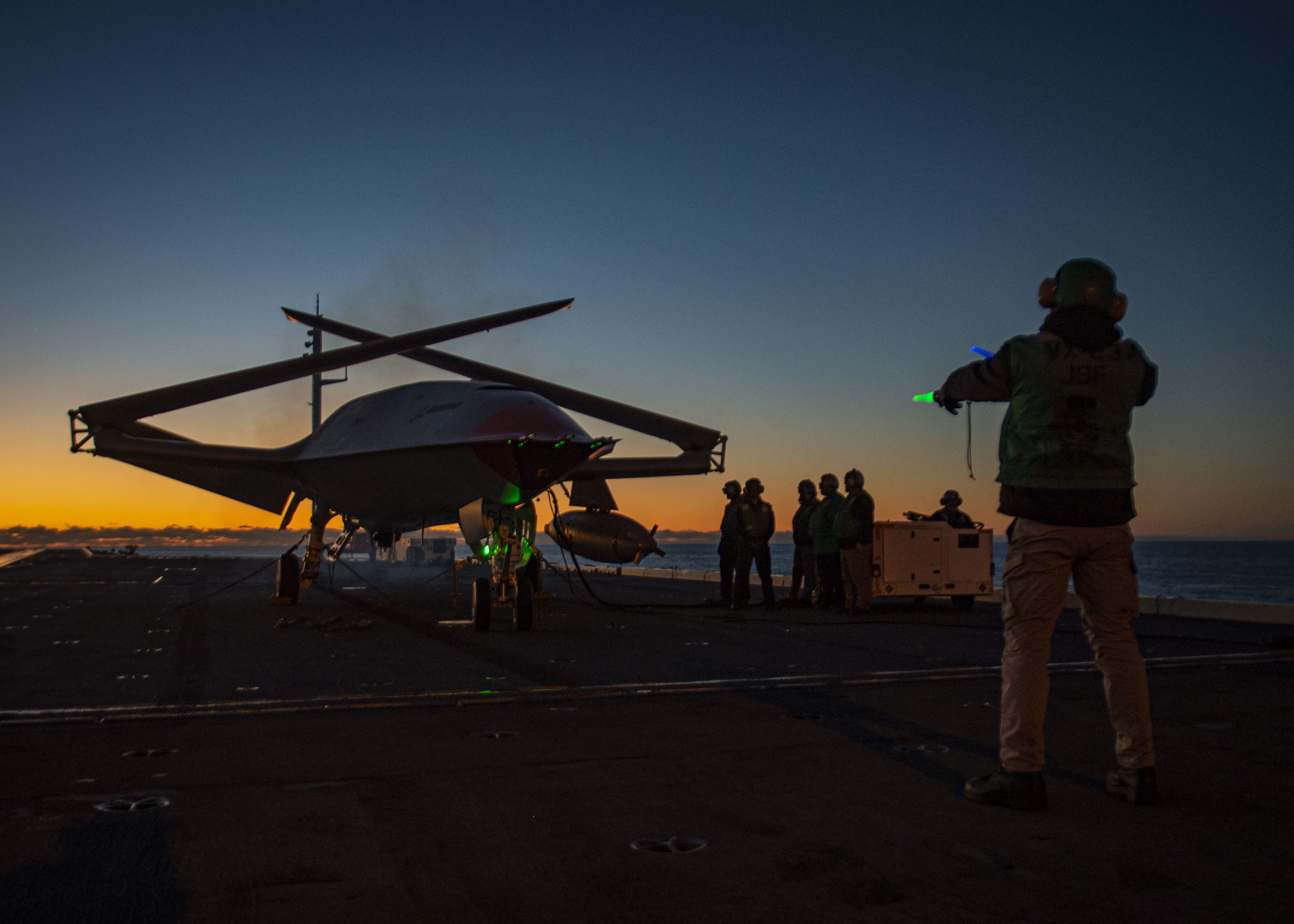
“In 2026, autonomy will matter because it directly addresses two pressures air forces cannot escape: pilot shortages and rising platform costs.” Programs like the MQ-25 “are expected to push further into weapons integration, distributed sensing and higher levels of independence.”
“Artificial intelligence quietly embedded itself across defense aviation in 2025, from predictive maintenance and logistics to sensor fusion and mission planning. What changed was tone; AI stopped being framed as experimental software and started being treated as operational infrastructure.”
“In 2026, VR matters because it directly affects readiness. Faster training throughput, lower cost per hour and the ability to rehearse rare or high-risk scenarios give air forces the flexibility they cannot achieve through live flying alone. Expect closer alignment between VR, digital twins and live-virtual-constructive training environments.”
“In 2026, electronic warfare resilience will be a defining trend. Upgrades to defensive aids, alternative navigation methods and spectrum management tools are becoming as important as new aircraft acquisitions. Air forces are increasingly treating EW survivability as a baseline requirement rather than a specialist capability.”
“…sustainment has become a strategic issue. In 2026, air forces will be judged not just on what they plan to buy, but on how effectively they keep existing fleets safe, available and relevant.”